
You’ll want a down parka that balances genuine warmth retention with practical features like secure pockets and weather-resistant materials. The best options for 2026 go far beyond basic insulation—they deliver comfort across unpredictable fall and winter conditions. Look for high-fill power down, water-resistant fabrics, and designs that accommodate layering without compromising mobility. The right parka combines functionality with style, ensuring you stay toasty while looking great. Uncover what makes certain parkas stand out from the rest.
| Eddie Bauer Women’s Shaw Down Hooded Parka | 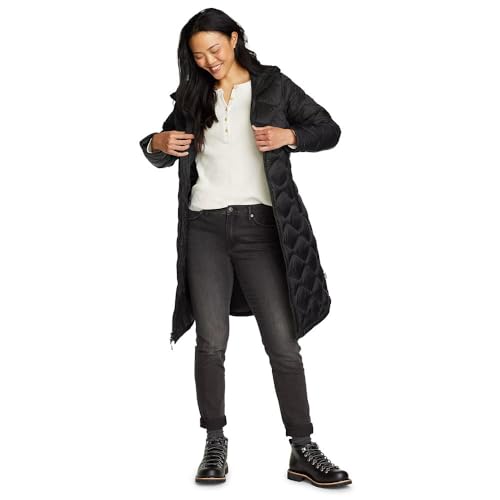 | Best Overall | Weather Suitability: Transitional fall weather | Design Pattern: Quilted pattern | Silhouette Style: Casual | VIEW LATEST PRICE | Read Our Analysis |
More Details on Our Top Picks
Eddie Bauer Women’s Shaw Down Hooded Parka
If you’re looking for a versatile layer that’ll carry you through fall’s unpredictable weather, the Eddie Bauer Women’s Shaw Down Hooded Parka delivers practical style without compromising on comfort. You’ll appreciate the distinctive quilted pattern that sets this parka apart while maintaining a casual aesthetic perfect for everyday wear. The secure pockets keep your essentials within reach, eliminating the frustration of fumbling for your phone or keys. Available in sizes Small/4 and Large/12, this parka flatters various body types. Whether you’re 5’9″ or 5’11”, you’ll find the proportions work seamlessly with your frame. The hooded design adds extra protection against cooler temperatures, making it an essential addition to your fall wardrobe rotation.
- Weather Suitability:Transitional fall weather
- Design Pattern:Quilted pattern
- Silhouette Style:Casual
- Pocket Type:Secure pockets
- Available Sizes:Small/4 and Large/12
- Hood Style:Hooded
- Additional Feature:Transitional fall weather versatility
- Additional Feature:Quilted pattern design detail
- Additional Feature:Secure pocket storage essentials
Factors to Consider When Choosing Down Parkas
When you’re selecting a down parka, you’ll want to evaluate several key factors that directly impact your purchase decision. Consider weather appropriateness and season, fit quality and sizing, pocket functionality and storage, design style and aesthetics, and fabric quality and durability—each plays an essential role in finding the right jacket for your needs. Let’s investigate how these elements work together to help you make an informed choice.
Weather Appropriateness And Season
Because regional climate patterns vary markedly, you’ll want to assess your area’s typical fall and winter conditions—including temperature ranges, wind chill factors, and precipitation levels—before committing to a parka purchase.
For colder climates, you’ll need a well-insulated down parka that balances warmth with lightweight comfort. High-fill power down greatly improves the warmth-to-weight ratio, making it ideal for extreme cold. If you experience shifting seasons with rain or snow, prioritize water-resistant or waterproof materials to maintain protection and comfort.
You should also evaluate the parka’s design—length and fit matter greatly. Confirm it accommodates multiple layers underneath while providing adequate coverage for varying weather conditions. A thoughtfully selected parka adapts to your specific climate demands rather than forcing you into a one-size-fits-all solution.
Fit Quality And Sizing
Once you’ve identified a parka suited to your climate, finding the right fit becomes your next priority. You’ll want to guarantee the jacket accommodates layering underneath while maintaining your freedom of movement. Check the brand’s size chart carefully, as different manufacturers use varying measurements. Look for models offering specific sizing recommendations based on your body measurements—this removes guesswork from the equation. A proper fit provides enough space for insulation without excess fabric that compromises warmth retention. Additionally, consider your height when selecting a parka. The jacket should fall at a flattering length while remaining functional and comfortable for your frame. Taking time to assess these factors guarantees you’ll stay warm and comfortable throughout the season.
Pocket Functionality And Storage
How much thought have you given to pocket placement and design? You’ll want to prioritize secured pockets with zippers or flaps that keep your belongings safe during movement. Consider the number and strategic placement of pockets to enhance convenience and accessibility for essentials you’ll need while wearing the parka.
Look for additional features like internal pockets or handwarmer pockets, which add functionality and comfort in colder weather. However, ascertain pocket size and depth accommodate your personal items without creating bulk. Large, overstuffed pockets can compromise the parka’s sleek silhouette, detracting from its appearance. Balance practicality with aesthetics by choosing a design where pockets integrate seamlessly into the overall structure, maintaining both form and function for your winter escapades.
Design Style And Aesthetics
Your down parka’s visual appeal matters just as much as its warmth. You’ll find designs ranging from sleek, minimalist silhouettes to textured quilted patterns that suit any fashion preference. Neutral colors offer versatility for layering and coordination, while lively tones and prints let you make bold statements.
Most down parkas feature casual silhouettes with relaxed fits, seamlessly shifting from outdoor excursions to urban settings. You’ll appreciate design elements like secure pockets that combine functionality with style. Details such as hoods, zippers, and stitching patterns enhance both visual interest and practicality. Consider what aesthetic connects with your personal style while ensuring the parka’s design supports your lifestyle needs. The right choice balances form and function effortlessly.
Fabric Quality And Durability
The outer fabric of a down parka determines how well it’ll protect you from the elements and how long the jacket lasts. You’ll want water-resistant or waterproof materials that shield you from rain and snow while maintaining durability through repeated wear.
Look for breathable fabrics that wick moisture away, keeping you comfortable and preventing overheating during active use. High-denier fabrics offer superior resistance to abrasion and tearing, extending your parka’s lifespan considerably.
Ripstop weaving prevents small tears from spreading, strengthening the overall structure. Pair these durable outer layers with quality down insulation—this combination guarantees both warmth and fabric resilience. By prioritizing these fabric qualities, you’re investing in a parka that performs reliably across seasons.
Frequently Asked Questions
How Often Should I Wash My Down Parka to Maintain Its Insulating Properties?
You shouldn’t wash your down parka frequently—doing so strips the natural oils that enhance insulation. Instead, you’ll want to wash it just once or twice yearly, or when it’s visibly soiled. You’re best off spot-cleaning minor stains first. When you do wash it, you’ll use cold water, mild detergent, and a gentle cycle. You should air-dry it completely and occasionally tumble-dry on low heat with dryer balls to restore loft and maintain those essential insulating properties.
Can Down Parkas Be Worn in Wet Weather, or Do They Lose Effectiveness When Damp?
You shouldn’t wear down parkas in wet conditions because moisture greatly reduces their insulating ability. When down gets damp, the clusters compress and lose their loft, which traps warm air. You’ll find your parka becomes heavy and cold instead of cozy. However, you can protect your investment by choosing water-resistant shells or applying DWR treatments. For rainy days, you’re better off selecting synthetic insulation or layering a waterproof jacket over your down parka.
What Is the Difference Between Down and Synthetic Insulation in Winter Coats?
You’ll find that down insulation traps air in natural clusters, providing superior warmth-to-weight ratio and exceptional packability. However, you’ll realize it loses effectiveness when wet. Synthetic insulation, conversely, retains its insulating properties even when damp, making it ideal for wet climates. You’re trading off packability and breathability for durability and weather resistance with synthetics. Your choice depends on whether you prioritize lightweight comfort or reliable performance in unpredictable conditions.
How Long Do Down Parkas Typically Last Before Needing Replacement?
You can expect a quality down parka to last 10-15 years with proper care. Your jacket’s longevity depends on how frequently you wear it and how well you maintain it. You’ll extend its life by storing it properly during warmer months, avoiding excessive washing, and getting professional cleaning when needed. You should also repair small tears promptly. With these precautions, you’re investing in a durable winter coat that’ll serve you reliably for over a decade.
Are Down Parkas Suitable for People With Feather Allergies or Sensitivities?
If you’re allergic to feathers, down parkas aren’t your best choice. Down comes directly from duck or goose feathers, which can trigger allergic reactions. You’ll experience itching, sneezing, or respiratory issues when you wear traditional down jackets. However, you’ve got alternatives. Consider synthetic insulation options like polyester or nylon, which mimic down’s warmth without the allergens. You’ll stay just as cozy without risking allergic complications.

Leave a Reply