
You’ll stay cozy this winter by choosing beanies that combine premium materials like wool or acrylic blends with tightly knit construction that traps heat while maintaining breathability. Look for designs with cuffed or ribbed edges that adjust around your forehead and ears for personalized comfort. Established brands signal superior craftsmanship and durability. You’ll uncover even more factors—from moisture-wicking properties to styling versatility—that’ll help you find your perfect beanie.
| Nike Unisex Beanie Cuffed | 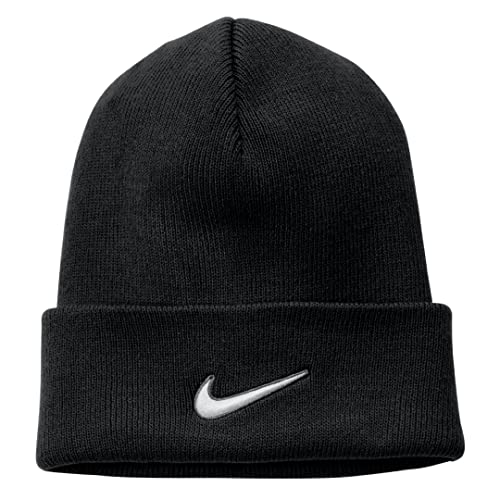 | Most Versatile | Style Versatility: Dual-wear design (casual and fisherman styles) | Primary Use: Cold weather warmth | Design Type: Cuffed beanie | VIEW LATEST PRICE | Read Our Analysis |
More Details on Our Top Picks
Nike Unisex Beanie Cuffed
If you’re hunting for a beanie that doesn’t compromise on style or function, the Nike Unisex Beanie Cuffed delivers both. You’ll appreciate its versatile design—wear it with the flap open for a casual vibe or lift it up for a classic fisherman look. The metal Swoosh logo gives you clean, recognizable branding without unnecessary flair. This beanie keeps you genuinely warm during harsh winters while adapting to your personal aesthetic. Whether you’re pairing it with streetwear or athletic gear, you’ll find it complements various outfits effortlessly. It’s the practical choice when cold weather demands serious warmth alongside authentic style.
- Style Versatility:Dual-wear design (casual and fisherman styles)
- Primary Use:Cold weather warmth
- Design Type:Cuffed beanie
- Brand Logo:Metal Swoosh emblem
- Gender Category:Unisex
- Outfit Compatibility:Versatile with multiple outfits
- Additional Feature:Dual-wear cuff functionality
- Additional Feature:Metal Swoosh branding detail
- Additional Feature:Cold weather optimization
Factors to Consider When Choosing Beanie Hats
When you’re shopping for a beanie hat, you’ll want to evaluate material quality and durability to guarantee your investment lasts through multiple seasons. You should also consider the fit and comfort level, weather protection capability, and style versatility options that align with your lifestyle and wardrobe needs. Finally, you’ll benefit from researching brand recognition and value to find a beanie that delivers quality without overspending.
Material Quality And Durability
The durability of your beanie depends heavily on the materials used in its construction. You’ll find that wool and acrylic fabrics markedly outperform cotton blends, offering superior longevity and resistance to wear. When examining your options, look for tightly knit construction—this prevents snags and protects against damage that compromises the beanie’s integrity.
You should also consider fabric weight. Heavier materials deliver greater warmth while maintaining durability through cold weather conditions. However, don’t overlook breathability; moisture-wicking properties help your beanie retain its shape over time, extending its lifespan.
To maximize your investment, follow proper care instructions carefully. Hand-washing and air-drying preserve the material’s quality far better than machine washing or heat drying, ensuring your beanie remains a reliable cold-weather companion for years.
Fit And Comfort Level
While material quality guarantees your beanie lasts, how it fits your head determines whether you’ll actually want to wear it. You’ll want a snug fit that stays in place without causing discomfort or headaches. Look for stretchable materials like acrylic or wool blends that conform to your head’s shape for personalized comfort.
Consider designs with cuffs or ribbed patterns, which let you adjust coverage around your forehead and ears. The fabric’s weight matters too—lighter materials work for mild weather, while heavier fabrics keep you warm in cold conditions.
If you’re active, verify your beanie has proper ventilation to prevent overheating during physical activity. The right fit and comfort level alters your beanie from an accessory you tolerate into one you genuinely enjoy wearing.
Weather Protection Capability
Weather protection’s your primary reason for wearing a beanie, so you’ll want to prioritize insulation and coverage. The material composition directly impacts thermal performance—wool and fleece excel at retaining body heat during frigid conditions. You’ll notice that thicker, tightly-woven beanies provide superior wind resistance and heat retention compared to thinner alternatives.
Coverage matters considerably. A well-fitting beanie shields your head, ears, and forehead, which are particularly vulnerable to cold exposure. You should also seek moisture-wicking properties that maintain warmth while preventing sweat accumulation—a critical factor since trapped moisture compromises insulation effectiveness.
Consider your climate’s specific demands. For extreme cold, prioritize heavier materials and snug fits. For milder conditions, lighter options work adequately. Evaluate thickness and weave density carefully to guarantee your beanie matches your environment’s temperature and wind intensity.
Style Versatility Options
Beyond keeping you warm, your beanie’s styling flexibility determines how often you’ll actually wear it. You can customize your look by adjusting the flap—wear it open for a relaxed vibe or lifted for a structured fisherman aesthetic. This adaptability lets you match your beanie to your mood, outfit, and occasion without needing multiple hats.
Consider beanies with distinct branding elements that work equally well for casual and sporty settings. Color and texture variations also enhance versatility, allowing you to coordinate with different wardrobes and fashion preferences. When selecting a beanie, prioritize designs offering diverse styling options. This investment guarantees your beanie integrates seamlessly with various ensembles, maximizing wearability and value throughout the year.
Brand Recognition And Value
Reputation matters when you’re investing in a beanie that’ll last through multiple seasons. Established brands typically signal superior materials and craftsmanship, directly impacting durability and comfort. When you choose a recognized name, you’re gaining confidence in consistent quality.
Brand value extends beyond initial purchase. Well-known beanies retain their worth in resale markets, protecting your investment if you decide to upgrade later. Conversely, lesser-known alternatives often depreciate quickly.
You’ll likely notice that premium brands command higher prices, yet many consumers find this worthwhile. These brands cultivate loyalty through innovative designs and reliable performance, making them synonymous with style and functionality. By selecting established beanie manufacturers, you’re purchasing proven reliability alongside aesthetic appeal—a combination that delivers genuine value regardless of season.
Temperature Regulation Features
Three key elements determine how well a beanie’ll regulate your body temperature: material composition, construction thickness, and fit.
You’ll want materials like wool or synthetic blends that wick moisture while retaining heat. These fabrics adapt well to varying conditions, keeping you comfortable whether temperatures fluctuate throughout your day.
Thickness matters greatly. Thicker beanies provide superior insulation but may trap excess heat, while thinner options allow better breathability during milder weather. Consider your typical climate when deciding.
Your beanie’s fit directly impacts warmth retention. A snug fit prevents heat loss through openings, though a looser fit improves airflow. You’ll appreciate adjustable features like flaps or removable linings that let you fine-tune heat retention as conditions change.
Ear flaps and inner linings add extra protection against cold exposure.
Care And Maintenance Requirements
Once you’ve selected a beanie with the right temperature-regulating features, proper care and maintenance will keep it performing well for years to come. Hand wash your beanie in cold water with mild detergent rather than machine washing, which can damage delicate fibers. Always dry it flat to prevent stretching and maintain its original fit. If pilling develops, gently shave the surface with a fabric shaver, taking care not to harm the material. For wool beanies, use specialized wool wash to preserve softness and prevent shrinkage. Store your beanie in a cool, dry place to avoid moisture accumulation that breeds mold or mildew. These straightforward steps guarantee your beanie remains comfortable and durable.
Frequently Asked Questions
Can Beanies Cause Hair Loss or Damage to Hair Follicles?
You won’t experience hair loss from wearing beanies occasionally, but prolonged tight wear can damage your hair. When you consistently wear tight-fitting beanies, you’re applying tension that stresses hair follicles, potentially causing traction alopecia over time. You’ll want to make sure your beanie fits comfortably without pulling. You can prevent follicle damage by alternating hats, taking breaks, and keeping your scalp moisturized. You’re generally safe wearing beanies if you’re mindful about fit and frequency.
How Do I Wash and Dry My Beanie Without Shrinking It?
You’ll want to hand wash your beanie in cool water with mild detergent. Gently squeeze the soapy water through the fabric—don’t wring or twist it. Rinse thoroughly with cool water until it’s clean. You should then gently squeeze out excess water without wringing. Lay it flat on a clean towel to dry naturally, reshaping it occasionally. This method prevents shrinkage and keeps your beanie looking fresh.
Are Beanies Suitable for People With Sensitive Scalps or Skin Conditions?
Yes, beanies can work well for you if you’ve got a sensitive scalp or skin condition. You’ll want to choose soft, breathable materials like merino wool or cotton blends that won’t irritate your skin. You should avoid synthetic fabrics that trap heat and moisture. Make sure you’re washing your beanie regularly with gentle detergent. You might also consider wearing a thin liner underneath for extra protection and comfort.
What’s the Difference Between Merino Wool and Acrylic Beanies?
You’ll find that merino wool beanies offer superior breathability and temperature regulation, keeping you comfortable in varying conditions. They’re naturally antimicrobial, so you won’t deal with odors as quickly. However, they’re pricier and require careful washing. Acrylic beanies, on the other hand, won’t break your budget and you can toss them in the machine without worry. They’re durable but less breathable and can trap heat, making them better for cold climates only.
Do Beanies Help With Headaches or Migraines Caused by Cold Weather?
Yes, you’ll likely find relief wearing a beanie during cold weather. When you’re exposed to freezing temperatures, your blood vessels constrict, triggering headaches and migraines. By keeping your head warm, you’re preventing this constriction, which reduces pain considerably. You’ll also retain heat that your body loses through your scalp. If you’re prone to cold-induced migraines, you shouldn’t underestimate a quality beanie’s protective benefits—it’s a simple, affordable solution.

Leave a Reply