
You’ll stay completely dry and comfortable on the water when you choose a dry suit engineered with advanced waterproof sealing, breathable materials, and a fit designed specifically for your water sport. Look for 3-layer constructions that balance moisture-wicking with waterproof protection. Latex seals at critical points like your neck and wrists prevent water ingress. Elasticated designs enhance mobility without sacrificing security. Whether you’re sailing, kayaking, or paddling, the right suit changes your performance. Uncover which features matter most for your specific activities ahead.
| Crewsaver Atacama Sport Sailing Drysuit with Front Zip | 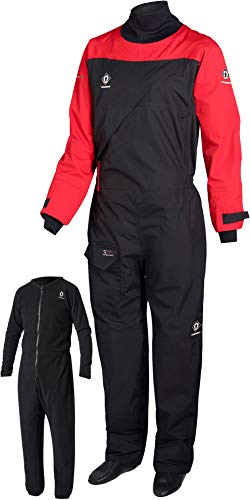 | Breathable Sailing Specialist | Fabric Construction: Fully breathable 3-layer fabric | Waterproof Seals: Not specified | Entry Design: Front zip | VIEW LATEST PRICE | Read Our Analysis |
| Women’s Hooded Dry Suit for Kayaking & Paddling |  | Best for Kayaking | Fabric Construction: Three-layer waterproof materials with OEKO-TEX certified 160D P/Taslon FD fabric | Waterproof Seals: Waterproof latex seals at neck and sleeves | Entry Design: Flexible front zipper | VIEW LATEST PRICE | Read Our Analysis |
More Details on Our Top Picks
Crewsaver Atacama Sport Sailing Drysuit with Front Zip
If you’re a sailor seeking breathability without sacrificing protection, the Crewsaver Atacama Sport delivers with its fully breathable 3-layer fabric construction—a significant upgrade from its predecessor, the Cirrus. The front zip design makes entry and exit effortless, while the included undersuit provides essential warmth. You’ll appreciate the elasticated waist, which guarantees a secure, comfortable fit during active sailing activities. Inspired by the high-end Atacama Pro, this drysuit incorporates modern technology refinements based on user feedback. Whether you’re tackling yachting, dinghy sailing, or general water sports, you’re getting a versatile, reliable suit that balances protection and breathability.
- Fabric Construction:Fully breathable 3-layer fabric
- Waterproof Seals:Not specified
- Entry Design:Front zip
- Primary Use:Sailing, yachting, and dinghy activities
- Comfort Features:Elasticated waist
- Storage:Not specified
- Additional Feature:Fully breathable 3-layer fabric
- Additional Feature:Elasticated waist for comfort
- Additional Feature:High-end Pro-inspired design
Women’s Hooded Dry Suit for Kayaking & Paddling
Want a dry suit engineered specifically for women’s anatomy and water sports performance? This hooded option delivers exceptional protection through three-layer waterproof materials and OEKO-TEX certified 160D fabric. You’ll appreciate the flexible front zipper for easy entry and the removable hood that adapts to conditions. Waterproof latex seals at your neck and sleeves keep water out, while self-draining neoprene cuffs enhance durability. The lightweight construction won’t restrict your movement during paddling. Internal suspenders and adjustable overskirts guarantee a comfortable fit, and convenient sleeve and thigh pockets let you carry essentials safely while you’re on the water.
- Fabric Construction:Three-layer waterproof materials with OEKO-TEX certified 160D P/Taslon FD fabric
- Waterproof Seals:Waterproof latex seals at neck and sleeves
- Entry Design:Flexible front zipper
- Primary Use:Kayaking and paddling
- Comfort Features:Adjustable internal suspender system with dual-adjustable overskirts and bungee drawcord waist
- Storage:Sleeve and thigh pockets
- Additional Feature:Integrated waterproof latex socks
- Additional Feature:Removable hood for versatility
- Additional Feature:Self-draining neoprene over-cuffs
Factors to Consider When Choosing Dry Suits
When selecting a dry suit, you’ll want to evaluate several critical factors that directly impact your performance and safety on the water. Material breathability and comfort, waterproof sealing technology, fit and elasticated design, your intended water sports activity, and the suit’s durability and long-term performance should all guide your decision. Understanding how each of these elements contributes to your overall experience will help you find the dry suit that best matches your needs.
Material Breathability And Comfort
Since you’ll be spending hours in your dry suit, the materials you choose directly impact your comfort and performance on the water. Look for 3-layer constructions that allow your body’s moisture to escape while keeping external water out. Advanced waterproof materials balance durability with breathability, preventing that clammy feeling during extended sessions.
Lightweight fabrics enhance mobility, which proves essential for demanding activities like kayaking and sailing. Latex seals at your neck and wrists prevent water ingress without restricting movement. Features like elasticated waists and adjustable suspender systems guarantee a snug, customizable fit that won’t compromise comfort during intense physical exertion. Prioritizing these material characteristics means you’ll stay dry, comfortable, and fully capable throughout your water escapades.
Waterproof Sealing Technology
The seal’s integrity determines whether you’ll stay genuinely dry or end up damp and uncomfortable. You’ll find that latex seals at the neck and sleeves form your first line of defense, preventing water from creeping in during immersion. Many quality dry suits feature self-draining neoprene over-cuffs that add extra protection against infiltration, keeping you comfortable throughout extended water activities.
Manufacturers rigorously test these sealing systems to guarantee reliability across varying conditions. You should also look for integrated waterproof latex socks, which provide complete head-to-toe coverage. The combination of multiple waterproof layers reinforced with specialized coatings balances durability and breathability effectively. This layered approach matters considerably for active water sports participants who demand both protection and flexibility.
Fit And Elasticated Design
A proper fit makes all the difference between a dry suit that performs flawlessly and one that compromises your comfort and safety on the water. You’ll want an elasticated design that enhances mobility while preventing water entry. Elasticated waistbands accommodate various body shapes, ensuring a secure fit without excess material that creates drag and hinders your agility.
Look for adjustable elements like bungee drawcords, which let you customize snugness for peak comfort. An elasticated design also accommodates layering with undersuits, improving thermal insulation without restricting movement. When you prioritize proper fit, you eliminate performance-compromising gaps while maximizing your freedom of movement on the water.
Intended Water Sports Activity
Your choice of dry suit should align with your specific water sport, as each activity demands distinct design features and performance characteristics. If you’re sailing, prioritize a front zip design with an elasticated waist for improved usability and comfort during extended time on deck. For kayaking, opt for lightweight fabric and flexible zippers that promote better mobility and reduce fatigue.
Consider environmental exposure when selecting additional features. Integrated waterproof socks and adjustable hoods prove essential if you’ll encounter splash zones or unpredictable weather. Your suit’s insulation thickness depends on water temperature and activity duration—warmer waters require minimal insulation, while cold conditions necessitate thicker materials for effective temperature regulation.
Matching your dry suit to your intended activity guarantees you’ll stay comfortable, protected, and dry throughout your water sports excursions.
Durability And Long-Term Performance
Because you’ll invest greatly in a quality dry suit, understanding how to evaluate its longevity is crucial. Look for 3-layer fabric construction that balances breathability with durability. Reinforced seams and abrasion-resistant materials greatly extend your suit’s lifespan, especially during intense water activities. Advanced waterproof technology—including latex seals and self-draining cuffs—prevents water entry while maintaining performance over time.
Consider the fabric’s weight and flexibility carefully. Lightweight designs enhance mobility without sacrificing durability, allowing you to move freely during demanding conditions. Finally, don’t overlook maintenance. Regular cleaning and proper storage directly impact your suit’s longevity and performance. By prioritizing these durability factors, you’ll maximize your investment and guarantee reliable protection season after season.
Practical Storage And Accessibility
While durability guarantees your dry suit withstands years of use, smart storage design directly impacts how effectively you’ll access gear during water activities. You’ll want integrated sleeve and thigh pockets that keep essentials within arm’s reach, enabling quick retrieval when you need it most.
Look for watertight compartments that protect your items from moisture damage, ensuring reliability throughout your session. The best storage solutions won’t compromise mobility—they’re designed with lightweight materials that avoid adding bulk. Well-organized pockets reduce the frustration of losing gear while moving fluidly through water. When evaluating dry suits, prioritize models where storage placement allows natural movement without restricting your range of motion. This combination of accessibility, protection, and thoughtful design separates functional suits from exceptional ones.
Frequently Asked Questions
How Long Do Dry Suits Typically Last Before Needing Replacement?
You’ll typically get 5-10 years of reliable use from your dry suit, depending on how frequently you wear it and how well you maintain it. If you’re diving regularly, you might need replacement sooner—around 5-7 years. However, if you’re a casual user, your suit could last closer to 10 years. You’ll extend its lifespan by rinsing it thoroughly after each use, storing it properly away from sunlight, and having seams professionally repaired when needed.
What’s the Difference Between Latex and Neoprene Seals for Wrist/Neck?
You’ll find that latex seals offer superior flexibility and a tighter, more effective seal against water intrusion. They’re thinner, allowing better mobility at your wrists and neck. However, you’ll need to replace them more frequently as latex degrades faster.
Neoprene seals, conversely, you’ll appreciate for their durability and longevity. They’re thicker and more forgiving, though they don’t seal quite as snugly. You’ll find neoprene better suited for regular recreational diving.
Can You Wear a Dry Suit Over Regular Clothing in Winter?
Yes, you can wear a dry suit over regular clothing in winter. In fact, you’ll want to layer underneath for added warmth. You should wear thermal base layers, insulating mid-layers, and wool socks beneath your suit. Avoid cotton since it retains moisture. You’ll stay warm and dry when you properly layer underneath your dry suit during cold-water activities.
How Do You Properly Care for and Store a Dry Suit?
You’ll want to rinse your dry suit thoroughly with fresh water after every use to remove salt and debris. Hang it in a shaded area to air dry completely—never use direct heat. You should store it in a cool, dark place away from UV light and extreme temperatures. Keep the suit loosely folded or hung to prevent creasing. Don’t forget to maintain the zipper with silicone lubricant and check seals regularly for longevity.
Are Dry Suits Suitable for Swimming or Only Water Sports?
You can wear dry suits for swimming, though they’re primarily designed for water sports like diving, kayaking, and surfing. They’ll keep you warm and dry, but they’re bulkier than swimwear, which might restrict your movement. If you’re doing casual swimming, you’d find regular swimsuits more comfortable. However, if you’re swimming in cold water or need thermal protection, you’ll appreciate what a dry suit offers you.

Leave a Reply