
You’ll enhance your layering game in 2026 by choosing mid-layers engineered with quick-drying fabrics, breathable constructions, and reliable performance that adapts seamlessly to unpredictable weather conditions. Look for grid fleece designs with half or quarter-zip features that let you regulate temperature on the fly. Merino wool options offer superior moisture-wicking without traditional itchiness. You’ll want pieces that maintain their shape through regular wear while supporting active movement. Identify which specific styles work best for your lifestyle.
| Columbia mens Essential Hike Grid Fleece Half Zip |  | Best for Hikers | Closure Type: Half-zip | Primary Material: Grid fleece | Temperature Regulation: Moisture-wicking | VIEW LATEST PRICE | Read Our Analysis |
| Spyder Men’s Quarter Zip Lightweight Fleece Pullover |  | Most Versatile | Closure Type: Quarter-zip | Primary Material: Brushed fleece | Temperature Regulation: Moisture-wicking with heat retention | VIEW LATEST PRICE | Read Our Analysis |
| Columbia Women’s Benton Springs Full Zip | 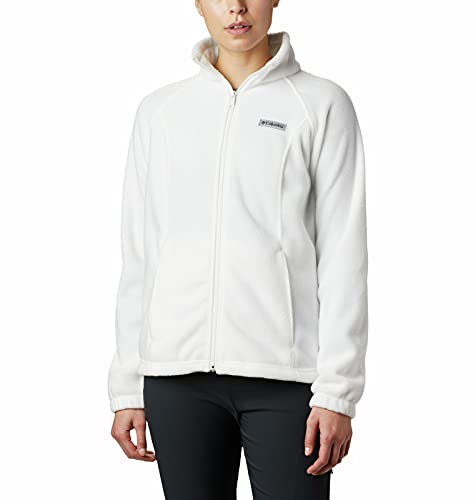 | Best Fit & Style | Closure Type: Full-zip | Primary Material: Fleece | Temperature Regulation: Instant insulation | VIEW LATEST PRICE | Read Our Analysis |
| Merino.tech Merino Wool Base Layer Thermal Shirts | Premium Performance Pick | Closure Type: Pullover (no zip) | Primary Material: 100% Merino wool | Temperature Regulation: Natural temperature regulation | VIEW LATEST PRICE | Read Our Analysis |
More Details on Our Top Picks
Columbia mens Essential Hike Grid Fleece Half Zip
If you’re seeking a mid-layer that won’t weigh you down on the trail, Columbia’s Essential Hike Grid Fleece Half Zip delivers comfort without compromise. The super soft grid fleece construction wicks moisture efficiently, keeping you dry as your intensity increases. You’ll appreciate the active fit design, which accommodates movement while allowing easy temperature regulation through its half-zip feature. This versatile pullover layers seamlessly under jackets or stands alone during moderate activity. With multiple color options and extended sizing available, you’ll find your perfect fit. Whether you’re tackling steep climbs or leisurely walks, this pullover combines performance and style in one reliable piece.
- Closure Type:Half-zip
- Primary Material:Grid fleece
- Temperature Regulation:Moisture-wicking
- Fit Style:Active fit
- Intended Use:Hiking
- Key Design Element:Grid texture for comfort
- Additional Feature:Grid fleece construction
- Additional Feature:Extended sizing options available
- Additional Feature:Active fit design
Spyder Men’s Quarter Zip Lightweight Fleece Pullover
The Spyder Men’s Quarter Zip Lightweight Fleece Pullover stands out as the best mid-layer choice for athletes who demand both warmth and mobility. You’ll appreciate its grid-textured interior that maximizes airflow while trapping heat efficiently. The flexible quarter zip lets you regulate temperature on the fly during intense workouts or casual outdoor excursions. Its brushed lining and athletic cut provide unrestricted movement, whether you’re hiking, running, or golfing. The moisture-wicking fleece keeps you comfortable through sweat, and the mock neck design retains vital warmth. This versatile pullover shifts effortlessly from training sessions to weekend errands, making it an essential addition to your layering arsenal.
- Closure Type:Quarter-zip
- Primary Material:Brushed fleece
- Temperature Regulation:Moisture-wicking with heat retention
- Fit Style:Athletic cut
- Intended Use:Cold-weather workouts and outdoor training
- Key Design Element:Mock neck with grid interior
- Additional Feature:Grid-textured interior airflow
- Additional Feature:Mock neck warmth design
- Additional Feature:Brushed lining comfort
Columbia Women’s Benton Springs Full Zip
Looking for a fleece that effortlessly shifts from casual outings to active pursuits, you’ll appreciate what Columbia’s Benton Springs Full Zip delivers. The active slim cut flatters your frame while the interior drawcord lets you customize the fit. You’ll stay warm with instant insulation that doesn’t sacrifice breathability, making layering seamless across seasons. The full-zip front and long sleeves provide versatile coverage, while zippered hand pockets keep your essentials secure. Whether you’re hiking, running errands, or lounging, this fleece balances style with practical functionality, earning its place as a wardrobe essential for anyone seeking reliable mid-layer performance.
- Closure Type:Full-zip
- Primary Material:Fleece
- Temperature Regulation:Instant insulation
- Fit Style:Active slim cut
- Intended Use:Layering for various weather
- Key Design Element:Interior drawcord for customizable fit
- Additional Feature:Interior drawcord customizable shape
- Additional Feature:Zippered hand pockets included
- Additional Feature:Active slim cut
Merino.tech Merino Wool Base Layer Thermal Shirts
For those seeking reliable temperature regulation without the itch that plagues traditional wool, Merino.tech’s Merino Wool Base Layer Thermal Shirts deliver a solution that works across seasons and activities. You’ll appreciate the ultra-soft 100% merino construction that keeps you comfortable during hiking, skiing, fishing, or gym sessions. Available in heavyweight, midweight, and lite weights, these shirts layer seamlessly without bulk. They’re washer and dryer safe for convenience, though hand washing extends their lifespan. The Lifetime Warranty backs Merino.tech’s commitment to quality, making this an affordable, practical alternative to cotton that doesn’t compromise performance or comfort.
- Closure Type:Pullover (no zip)
- Primary Material:100% Merino wool
- Temperature Regulation:Natural temperature regulation
- Fit Style:Snug fit without bulk
- Intended Use:Hiking, skiing, fishing, gym, office wear
- Key Design Element:Itch-free softness
- Additional Feature:Lifetime warranty included
- Additional Feature:Multiple weight options available
- Additional Feature:Washer/dryer safe care
Factors to Consider When Choosing Mid-Layers
When you’re selecting a mid-layer, you’ll need to evaluate how well it regulates temperature for your specific activities and climate conditions. You should also assess the material quality, breathability, fit compatibility with other layers, moisture-wicking performance, and how much maintenance the garment requires to maintain its durability over time.
Temperature Regulation Capabilities
How well does your mid-layer manage sweat and heat? You’ll want moisture-wicking fabrics that efficiently pull perspiration away from your skin, keeping you dry as your activity intensity shifts. Look for adjustable features like zippers or drawcords that let you ventilate quickly or trap warmth as needed.
Fabric weight directly impacts temperature regulation. Lightweight options work best during high-intensity activities when you’re generating substantial heat, while heavier fabrics excel in cold conditions or lower-exertion pursuits. Consider insulation materials like fleece or wool—they deliver excellent warmth-to-weight ratios without adding bulk.
Finally, verify your mid-layer fits snugly yet comfortably. Proper fit maintains ideal heat retention and prevents cold air gaps while allowing effective layering underneath and over your base layer.
Material Quality And Breathability
The fabric you choose makes all the difference in how well your mid-layer performs. You’ll want materials that actively wick moisture away from your skin, keeping you dry during intense efforts. Breathable fabrics like fleece and Merino wool excel at this, releasing excess heat while providing insulation.
Weight matters greatly—lightweight options suit high-intensity activities, while heavier materials deliver warmth for frigid conditions. You should prioritize soft, itch-free textures since you’ll wear these layers for extended periods outdoors.
Don’t overlook stretch capabilities either. Your mid-layer must allow unrestricted movement without creating bulk. Quality fabrics that combine breathability with elasticity guarantee you’ll stay comfortable, dry, and mobile through whatever conditions you face.
Fit And Layering Compatibility
Beyond selecting quality fabrics, you’ll need to focus on how your mid-layer fits your body and works with your other gear. An active fit gives you freedom of movement while maintaining a snug profile that prevents excess bulk under your outer shell.
Half-zip or quarter-zip designs let you regulate temperature and adjust quickly as conditions shift. Look for adequate length and coverage that stays tucked during movement, sealing out cold air and maximizing insulation.
Mock necks and interior drawcords provide customization options that enhance compatibility with your layering system. These flexible features guarantee your mid-layer adapts to your body and integrates seamlessly with your base and outer layers, creating a cohesive system that performs in demanding conditions.
Moisture Management Performance
Once you’ve dialed in your fit and layering compatibility, you’ll want to prioritize how your mid-layer handles sweat and moisture. Effective moisture management keeps you dry and comfortable during intense physical activity, which directly impacts your performance.
Look for materials like fleece or Merino wool that excel at wicking sweat away from your skin. You’ll also want to seek out technologies specifically designed to enhance moisture control, preventing the overheating that can occur during high-intensity workouts.
The best mid-layers strike a balance between insulation and breathability, allowing moisture to escape while retaining warmth. Don’t overlook proper care and maintenance either—treating your moisture-wicking fabrics correctly guarantees they’ll perform consistently across various weather conditions and activities.
Durability And Maintenance Requirements
While moisture management and insulation matter in the moment, you’ll also want to contemplate how your mid-layer holds up over time. Durability directly impacts your investment’s value and performance longevity.
Fabric choice matters greatly. Merino wool resists pilling and naturally regulates temperature, extending garment lifespan with proper care. Synthetics demand routine washing to maintain performance, while wool-based layers need less frequent laundering due to natural odor resistance.
Check care labels carefully before purchasing. Many quality mid-layers are washer and dryer safe, offering convenient maintenance. However, some fabrics require specific handling to prevent damage.
Prioritize mid-layers featuring stain resistance or quick-drying properties. These maintenance-friendly features enhance usability and prolong wearability, ensuring your investment performs reliably season after season.
Frequently Asked Questions
How Do Mid-Layers Compare to Base Layers and Outer Shells in Terms of Function?
You’ll find that mid-layers work differently than base layers and outer shells. While base layers wick moisture directly from your skin and shells protect you from wind and rain, mid-layers trap warm air between them. You’re creating insulation with mid-layers, whereas base layers manage sweat and shells block elements. Mid-layers don’t directly contact skin or weather—they’re the vital bridge that you’ll adjust based on activity level and temperature changes.
What Is the Ideal Temperature Range for Wearing Mid-Layers During Outdoor Activities?
You’ll find mid-layers most effective when temperatures drop between 45°F and 65°F. At these conditions, you’re balancing insulation with breathability—your mid-layer traps warmth without causing excessive overheating. You can wear mid-layers alone during mild cold or stack them under jackets in harsher conditions. When it’s warmer than 65°F, you’ll likely overheat. Below 45°F, you’ll need additional outer shell protection. This versatile range makes mid-layers your go-to choice for changing seasons.
Can Mid-Layers Be Worn Alone as Standalone Jackets in Mild Weather Conditions?
Yes, you can absolutely wear mid-layers as standalone jackets in mild weather. You’ll find they’re perfect for spring hikes, casual outdoor activities, or changing seasons when you don’t need heavy insulation. They’re lightweight and packable, so you’ll appreciate how easily they layer or work independently. Just remember that you’re getting moderate warmth without a shell’s wind protection. You’ll want to add a windbreaker if conditions shift, but for genuinely mild days, mid-layers deliver comfortable, versatile coverage.
How Often Should Mid-Layers Be Washed to Maintain Their Insulating Properties?
You should wash your mid-layers every 3-5 wears to maintain their insulating properties. Regular washing removes body oils and dirt that reduce breathability and warmth. Don’t overwash, though—excessive cleaning breaks down synthetic fibers and degrades performance. Use cold water, mild detergent, and avoid fabric softener, which coats fibers. Air-dry your mid-layers completely to prevent mildew and preserve their loft. Proper care keeps them functioning effectively for years.
Are Mid-Layers Suitable for Both Winter Sports and Three-Season Hiking Adventures?
Yes, you’ll find mid-layers incredibly versatile for both winter sports and three-season hiking. You can wear them under jackets during cold ski days, then layer them alone during milder spring hikes. You’re getting excellent value from one garment across seasons. You’ll appreciate how you can easily adjust your warmth by adding or removing mid-layers based on activity level and weather conditions. They’re your go-to layering essential year-round.

Leave a Reply