
When you’re venturing into remote terrain, you’ll want a PLB that combines reliable satellite connectivity with compact design. The ACR ResQLink 400 offers exceptional portability at 5.3 ounces with dual-strobe visibility and five-year warranty. If you prefer two-way messaging, the Garmin inReach Mini 2 delivers interactive SOS alerts. Consider your budget, battery life needs, and whether subscription services fit your exploration plans. The right choice depends on your specific requirements and usage patterns.
| ACR ResQLink 400 Personal Locator Beacon with GPS |  | Best Overall | Emergency Signal Type: 406 MHz distress and 121.5 MHz homing signals | Global Coverage: Cospas-Sarsat and MEOSAR satellite systems | Battery Life: Single Lithium Metal battery (included) | VIEW LATEST PRICE | Read Our Analysis |
| Garmin inReach Mini 2 Satellite Communicator (010-02602-00) |  | Best For Communication | Emergency Signal Type: Two-way satellite messaging with SOS | Global Coverage: Global two-way messaging | Battery Life: Up to 14 days in 10-minute tracking mode | VIEW LATEST PRICE | Read Our Analysis |
| ACR ResQLink View RLS Personal Locator Beacon GPS |  | Best Return Link Service | Emergency Signal Type: 406 MHz distress with Return Link Service confirmation | Global Coverage: GPS, Galileo GNSS, and MEOSAR compatible | Battery Life: 5-year battery with 28+ hours operational life | VIEW LATEST PRICE | Read Our Analysis |
| McMurdo FastFind 220 Personal Locator Beacon – US Programming |  | Best US-Programmed | Emergency Signal Type: 406 MHz distress signal (US programming) | Global Coverage: Global with US Search and Rescue contact | Battery Life: Battery specifications not detailed | VIEW LATEST PRICE | Read Our Analysis |
| ACR ResQLink 400 GPS Personal Locator Beacon |  | Complete Survival Kit | Emergency Signal Type: 406 MHz distress with GPS tracking | Global Coverage: Global GPS tracking | Battery Life: Battery specifications not detailed | VIEW LATEST PRICE | Read Our Analysis |
| ACR ResQLink 410 RLS Personal Locator Beacon GPS |  | Best Lightweight Design | Emergency Signal Type: 406 MHz distress with Return Link Service | Global Coverage: GPS, Galileo GNSS, and MEOSAR compatible | Battery Life: 5-year battery with 24+ hours operational life | VIEW LATEST PRICE | Read Our Analysis |
| Ocean Signal rescueME PLB1 Personal Locator Beacon |  | Most Compact | Emergency Signal Type: 406 MHz distress signal with GPS | Global Coverage: International government rescue satellites | Battery Life: 7-year battery with 24+ hours operational life | VIEW LATEST PRICE | Read Our Analysis |
| ACR ResQLink View Personal Locator Beacon GPS (PLB 425) | 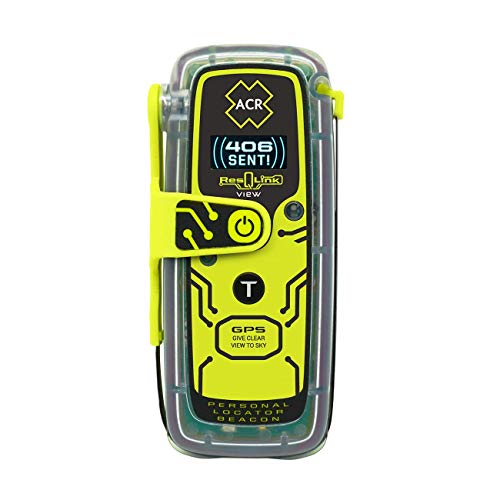 | Best Display Features | Emergency Signal Type: 406 MHz distress and 121.5 MHz homing signals | Global Coverage: COSPAS-SARSAT satellite constellations | Battery Life: 28 hours operational life (5-year battery) | VIEW LATEST PRICE | Read Our Analysis |
| ACR ResQLink View GPS Personal Locator Beacon |  | Best Emergency Kit | Emergency Signal Type: 406 MHz distress with GPS and visual display | Global Coverage: Global GPS coverage | Battery Life: 28 hours operational life | VIEW LATEST PRICE | Read Our Analysis |
| ACR RESQLINK AIS Personal Locator Beacon (PLB-450) |  | Best Advanced Technology | Emergency Signal Type: 406 MHz satellite signal with AIS local alerts | Global Coverage: MEOSAR compatible with 5-mile AIS local radius | Battery Life: 5-year battery with 24+ hours operational life | VIEW LATEST PRICE | Read Our Analysis |
| ZOLEO Satellite Communicator Two-Way SMS Messenger | 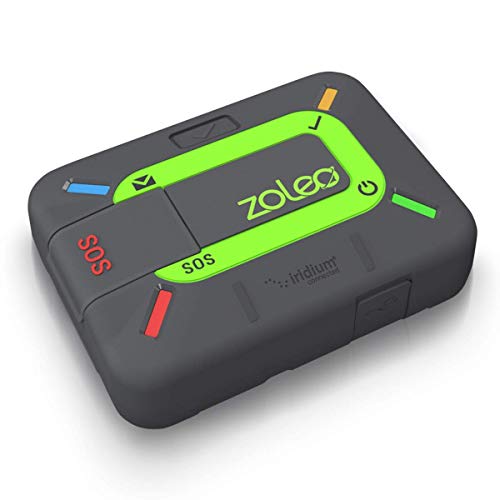 | Best Two-Way Messaging | Emergency Signal Type: Two-way SMS/email messaging with SOS | Global Coverage: Global via Iridium satellite network | Battery Life: Over 200 hours usage on single charge | VIEW LATEST PRICE | Read Our Analysis |
| ACR Personal Locator Beacon Accessory Pouch Carabiner |  | Best Accessory | Emergency Signal Type: Accessory pouch (not a standalone beacon) | Global Coverage: Not applicable (accessory only) | Battery Life: Not applicable (accessory only) | VIEW LATEST PRICE | Read Our Analysis |
| Motorola Defy Satellite Link GPS Communicator |  | Best Smartphone Integration | Emergency Signal Type: Two-way SMS messaging with SOS | Global Coverage: Global satellite coverage | Battery Life: Single Lithium Ion battery | VIEW LATEST PRICE | Read Our Analysis |
| ACR ResQlink 400 Personal Locator Beacon with Pouch and Carabiner Bundle | 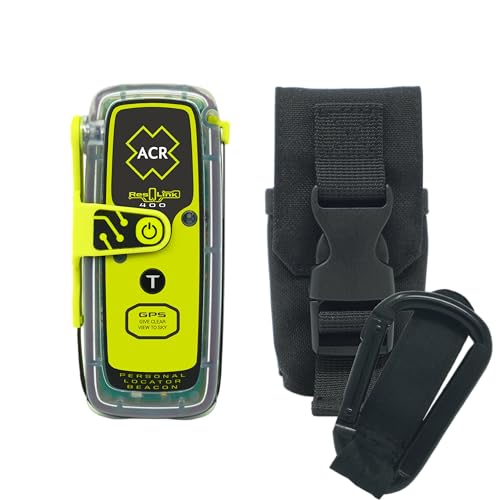 | Best Value Bundle | Emergency Signal Type: 406 MHz distress and 121.5 MHz homing signals | Global Coverage: Cospas-Sarsat and MEOSAR systems | Battery Life: No subscription with standard battery | VIEW LATEST PRICE | Read Our Analysis |
More Details on Our Top Picks
ACR ResQLink 400 Personal Locator Beacon with GPS
If you’re planning outdoor expeditions where immediate rescue access is critical, the ACR ResQLink 400’s no-subscription emergency alert system sets it apart from competitors. This compact device weighs just 5.3 ounces and transmits 406 MHz distress signals via Cospas-Sarsat and MEOSAR satellites, ensuring global coverage. Its dual-strobe system—LED and infrared—boosts visibility in darkness, while GPS and Galileo GNSS technology pinpoint your exact location for rescuers. Whether you’re hiking, hunting, boating, or fishing, you’ll appreciate the ResQLink 400’s reliability without recurring fees, giving you genuine peace of mind in remote settings.
- Emergency Signal Type:406 MHz distress and 121.5 MHz homing signals
- Global Coverage:Cospas-Sarsat and MEOSAR satellite systems
- Battery Life:Single Lithium Metal battery (included)
- Subscription Required:No subscription required
- Visibility/Strobe Features:LED strobe and infrared strobe
- Size/Portability:4.52 x 2.03 x 1.49 inches, 5.3 ounces
- Additional Feature:GPS and Galileo GNSS tracking
- Additional Feature:406 MHz distress signal
- Additional Feature:Infrared strobe visibility
Garmin inReach Mini 2 Satellite Communicator (010-02602-00)
The Garmin inReach Mini 2 stands out as the ideal choice for wanderers who won’t compromise on connectivity without sacrificing weight. This compact satellite communicator lets you send two-way messages and trigger interactive SOS alerts globally with an active subscription. You’ll appreciate TracBack routing that guides you back to your starting point and the digital compass for accurate headings. The device syncs seamlessly with the Garmin Quest app, enabling trip planning, topographical mapping, and waypoint creation. With 14-day battery life in 10-minute tracking mode and water-resistant construction, you get dependable performance wherever your journeys take you.
- Emergency Signal Type:Two-way satellite messaging with SOS
- Global Coverage:Global two-way messaging
- Battery Life:Up to 14 days in 10-minute tracking mode
- Subscription Required:Requires active satellite subscription
- Visibility/Strobe Features:Not specified
- Size/Portability:Lightweight and compact
- Additional Feature:Two-way interactive messaging
- Additional Feature:TracBack routing navigation
- Additional Feature:14-day battery life
ACR ResQLink View RLS Personal Locator Beacon GPS
Outdoor adventurers who want reassurance without recurring subscription fees should seriously consider the ACR ResQLink View RLS. This compact signal delivers global coverage through GPS, Galileo GNSS, and MEOSAR compatibility, ensuring you’re locatable anywhere. You’ll appreciate the Return Link Service feature, which confirms Search and Rescue has received your distress signal—providing critical peace of mind during emergencies. The infrared strobe enhances visibility when rescuers search for you, while the 5-year battery and 28+ hours of operational life keep you protected. Its lightweight, buoyant design clips easily to gear, making it ideal for hiking, hunting, boating, and fishing excursions.
- Emergency Signal Type:406 MHz distress with Return Link Service confirmation
- Global Coverage:GPS, Galileo GNSS, and MEOSAR compatible
- Battery Life:5-year battery with 28+ hours operational life
- Subscription Required:No subscription required
- Visibility/Strobe Features:Infrared strobe light
- Size/Portability:Compact and lightweight with built-in buoyancy
- Additional Feature:Return Link Service confirmation
- Additional Feature:5-year battery life
- Additional Feature:28+ hours operational life
McMurdo FastFind 220 Personal Locator Beacon – US Programming
For adventurers and professionals operating within US territory, the McMurdo FastFind 220 provides critical peace of mind through its pre-programmed US country code registration. You’ll activate it quickly in emergencies by deploying the antenna, removing the anti-tamper seal, and pressing the ON button. Registration is legally required and guarantees Search and Rescue teams receive your identity and travel details, preventing response delays. The device functions globally but contacts US authorities during emergencies. Remember, you must use it only when facing imminent danger—false alerts jeopardize lives and strain rescue services. If you’re operating outside the US, McMurdo offers a Rest of World version with complimentary reprogramming services.
- Emergency Signal Type:406 MHz distress signal (US programming)
- Global Coverage:Global with US Search and Rescue contact
- Battery Life:Battery specifications not detailed
- Subscription Required:No subscription required
- Visibility/Strobe Features:Not specified
- Size/Portability:Compact design for extreme conditions
- Additional Feature:US country code programming
- Additional Feature:Easy antenna deployment activation
- Additional Feature:Legally required registration
ACR ResQLink 400 GPS Personal Locator Beacon
If you’re venturing into remote areas where communication networks don’t reach, ACR’s ResQLink 400 offers the compact reliability you’ll need for quick rescue. This GPS-enabled transmitter broadcasts your precise location to search-and-rescue teams within seconds. The included C-Strobe H2O rescue light guarantees visibility day or night, while the signal mirror and whistle provide backup signaling methods. Balancing just 0.87 kilograms, the ResQLink 400 fits easily into your pack without sacrificing safety. Its durable plastic construction withstands harsh conditions, and the RapidDitch Drybag keeps your survival gear protected and accessible. With a five-year warranty, you’re investing in dependable emergency protection.
- Emergency Signal Type:406 MHz distress with GPS tracking
- Global Coverage:Global GPS tracking
- Battery Life:Battery specifications not detailed
- Subscription Required:No subscription required
- Visibility/Strobe Features:Bright strobe light with waterproof C-Strobe H2O
- Size/Portability:11 x 4 x 7.5 inches kit with beacon
- Additional Feature:Included survival kit components
- Additional Feature:C-Strobe H2O rescue light
- Additional Feature:Signal mirror included
ACR ResQLink 410 RLS Personal Locator Beacon GPS
The ACR ResQLink 410 RLS stands out as the premier choice for wanderers who demand both reliability and peace of mind. You’ll appreciate its Return Link Service, which confirms your distress signal’s receipt instantly. The dual GPS and Galileo GNSS technology guarantees you’re located accurately worldwide, even in remote areas. Its buoyant design won’t weigh you down—it’s just one pound—and attaches effortlessly via multifunction clip. You’re covered for five years without subscription fees, enjoying 24+ hours of operational life. Strobe and infrared lights enhance visibility when rescue teams search for you, making this guide an essential safety investment for serious outdoor enthusiasts.
- Emergency Signal Type:406 MHz distress with Return Link Service
- Global Coverage:GPS, Galileo GNSS, and MEOSAR compatible
- Battery Life:5-year battery with 24+ hours operational life
- Subscription Required:No subscription required
- Visibility/Strobe Features:Strobe and infrared strobe lights
- Size/Portability:4.52 x 2.03 x 1.49 inches, 1 pound
- Additional Feature:Return Link Service confirmation
- Additional Feature:Built-in device buoyancy
- Additional Feature:Multifunction clip system
Ocean Signal rescueME PLB1 Personal Locator Beacon
Compact efficiency defines Ocean Signal’s rescueME PLB1, making it an ideal choice for adventurers who won’t compromise on safety without adding bulk to their gear. Measuring just 4 ounces and 30% smaller than competitors, you’ll barely notice it attached to your lifejacket. The device’s waterproof construction withstands depths to 49 feet, while its 66-channel GPS receiver pinpoints your location accurately. One-handed operation and a high-intensity strobe light enhance visibility during emergencies. You’ll appreciate the 7-year battery and 24+ hours of operational life, ensuring it’s always ready. Best of all, rescue coordination is completely free through international government satellites—no subscriptions required.
- Emergency Signal Type:406 MHz distress signal with GPS
- Global Coverage:International government rescue satellites
- Battery Life:7-year battery with 24+ hours operational life
- Subscription Required:No subscription required (100% free)
- Visibility/Strobe Features:High-intensity 1 candela strobe light
- Size/Portability:30% smaller than competitors, 4 ounces
- Additional Feature:30% smaller design
- Additional Feature:66-channel GPS receiver
- Additional Feature:7-year battery life
ACR ResQLink View Personal Locator Beacon GPS (PLB 425)
You’ll find ACR’s ResQLink View an ideal companion for remote outdoor excursions where you’re far from cellular coverage. This rugged 5.3-ounce light transmits SOS distress signals with GPS coordinates via 406 MHz to COSPAS-SARSAT satellites, reaching Search and Rescue organizations globally without needing a monitoring center. The dual LED and infrared strobes enhance your visibility during emergencies. You can also send non-emergency messages to multiple contacts through an optional subscription. Its buoyant design and attachment clips guarantee secure carrying during hiking, boating, or climbing. With a 28-hour battery life and five-year warranty, you’re equipped for extended expeditions in extreme conditions.
- Emergency Signal Type:406 MHz distress and 121.5 MHz homing signals
- Global Coverage:COSPAS-SARSAT satellite constellations
- Battery Life:28 hours operational life (5-year battery)
- Subscription Required:No subscription required
- Visibility/Strobe Features:LED strobe and infrared strobe lights
- Size/Portability:4.52 x 2.03 x 1.49 inches, 5.3 ounces
- Additional Feature:121.5 MHz homing signal
- Additional Feature:Digital display screen
- Additional Feature:Optional 406Link testing subscription
ACR ResQLink View GPS Personal Locator Beacon
For adventurers venturing into remote terrain where traditional communication fails, GPS tracking capabilities paired with multiple signaling methods make the ACR ResQLink View an essential survival tool. You’ll benefit from its bright strobe light and signal mirror, which enhance your emergency visibility across vast distances. The signal’s compact design fits easily into your gear, while its waterproof construction guarantees reliability in extreme conditions. When you activate the device, it transmits your precise location to rescue coordinators, dramatically improving response times. Combined with the included C-Strobe H2O Rescue Light and Res-Q Whistle, you’re equipped with redundant communication methods that function when other systems fail.
- Emergency Signal Type:406 MHz distress with GPS and visual display
- Global Coverage:Global GPS coverage
- Battery Life:28 hours operational life
- Subscription Required:Optional subscription for non-emergency messages
- Visibility/Strobe Features:Bright strobe light with signal mirror
- Size/Portability:Compact with signal mirror and whistle included
- Additional Feature:RapidDitch waterproof drybag
- Additional Feature:Res-Q whistle included
- Additional Feature:Signal mirror reflector
ACR RESQLINK AIS Personal Locator Beacon (PLB-450)
The ACR RESQLINK AIS excels as your go-to signal if you’re seeking dual-layer emergency coverage—combining local alerts with global satellite connectivity. You’ll benefit from AIS technology that broadcasts distress signals within a 5-mile radius, while the 406 MHz MEOSAR satellite system reaches rescuers worldwide. The integrated Return Link Service confirms signal receipt, eliminating uncertainty during critical moments. Its compact design attaches easily to your PFD, and built-in strobe and infrared lights enhance visibility. With two Lithium Metal batteries providing five-year longevity and over 24 hours of operational life, you’re equipped for extended emergencies. NFC connectivity lets you monitor battery status and test results via mobile app—no subscription required.
- Emergency Signal Type:406 MHz satellite signal with AIS local alerts
- Global Coverage:MEOSAR compatible with 5-mile AIS local radius
- Battery Life:5-year battery with 24+ hours operational life
- Subscription Required:No subscription required
- Visibility/Strobe Features:Strobe and infrared strobe lights
- Size/Portability:Compact and lightweight design
- Additional Feature:AIS local alert system
- Additional Feature:NFC mobile app integration
- Additional Feature:Return Link Service confirmation
ZOLEO Satellite Communicator Two-Way SMS Messenger
Expedition seekers who can’t abandon their smartphones will find the ZOLEO Satellite Communicator exceptionally practical. This two-way SMS messenger utilizes Iridium’s satellite network alongside cellular and Wi-Fi connectivity to keep you connected globally. You’ll appreciate the device’s IP68 durability rating and impressive 200+ hour battery life. Send unlimited check-ins, share GPS coordinates, and access 24/7 emergency SOS features with location data. The compact design weighs just 5.3 ounces, fitting easily into your gear. Unlike dedicated signal devices, ZOLEO lets you maintain two-way communication with contacts, making it ideal for remote excursions where staying in touch matters.
- Emergency Signal Type:Two-way SMS/email messaging with SOS
- Global Coverage:Global via Iridium satellite network
- Battery Life:Over 200 hours usage on single charge
- Subscription Required:Service plan required
- Visibility/Strobe Features:Not specified for beacon
- Size/Portability:3.58 x 2.6 x 1.06 inches, 5.3 ounces
- Additional Feature:Iridium satellite network connectivity
- Additional Feature:Unlimited check-in messages
- Additional Feature:Medical Assist feature
ACR Personal Locator Beacon Accessory Pouch Carabiner
Explorer enthusiasts who demand reliable PLB accessibility won’t find a better companion than ACR’s accessory pouch and carabiner system. This 2021 model keeps your ACR Bivy Stick or ResQLink signal light secure and instantly accessible when you need it most. The Velcro-attachment carabiner clips onto backpacks, lifejackets, or outerwear, ensuring your device stays within reach during emergencies. The protective pouch accommodates various belt widths and backpack straps, offering versatile carrying options for different gear setups. Balancing just 0.11 kilograms, it won’t burden your pack. With 4.5 stars from 46 reviews and ranking #538 in GPS cases, this accessory proves itself as an essential companion for serious outdoor explorers seeking dependable emergency communication solutions.
- Emergency Signal Type:Accessory pouch (not a standalone beacon)
- Global Coverage:Not applicable (accessory only)
- Battery Life:Not applicable (accessory only)
- Subscription Required:Not applicable (accessory only)
- Visibility/Strobe Features:Not applicable (accessory only)
- Size/Portability:9 x 9 x 5 inches pouch, 0.11 kilograms
- Additional Feature:Velcro carabiner attachment system
- Additional Feature:Belt width compatible pouch
- Additional Feature:Protective storage solution
Motorola Defy Satellite Link GPS Communicator
If you’re looking to stay connected beyond cellular coverage, Motorola’s Defy Satellite Link converts your smartphone into a satellite-enabled communicator. This compact Bluetooth accessory weighs just 2.5 ounces and measures 3.4 x 2.5 x 0.5 inches, making it ideal for outdoor escapades and remote locations.
You’ll gain two-way global SMS messaging and emergency SOS functionality on both Android and iOS devices. The included Lithium Ion battery keeps you operational in the field. A subscription plan starting at $19.99 monthly provides satellite assistance access. Manufactured by Bullitt and available since May 2023, this device bridges the gap between off-grid exploration and reliable emergency communication.
- Emergency Signal Type:Two-way SMS messaging with SOS
- Global Coverage:Global satellite coverage
- Battery Life:Single Lithium Ion battery
- Subscription Required:Subscription required (starting $19.99/month)
- Visibility/Strobe Features:Not specified
- Size/Portability:3.4 x 2.5 x 0.5 inches, 2.5 ounces
- Additional Feature:Bluetooth smartphone accessory
- Additional Feature:Two-way SMS messaging
- Additional Feature:$19.99/month service plan
ACR ResQlink 400 Personal Locator Beacon with Pouch and Carabiner Bundle
For adventurers who demand reliability without recurring costs, the ACR ResQlink 400 delivers dependable emergency communication through its 406 MHz transmitter and global Cospas-Sarsat coverage—no subscription fees required. The signal’s dual-strobe system (LED and infrared) maximizes visibility during critical situations. Its compact, lightweight design won’t burden your pack, while the included protective pouch and carabiner with Velcro guarantee secure attachment to backpacks, lifejackets, or outerwear. The 121.5 MHz homing signal guides rescuers directly to you. Whether you’re trekking remote mountains or sailing open waters, this PLB provides the peace of mind serious explorers need without draining your wallet.
- Emergency Signal Type:406 MHz distress and 121.5 MHz homing signals
- Global Coverage:Cospas-Sarsat and MEOSAR systems
- Battery Life:No subscription with standard battery
- Subscription Required:No subscription required
- Visibility/Strobe Features:LED strobe and infrared strobe
- Size/Portability:Compact and lightweight with carabiner
- Additional Feature:Protective pouch included
- Additional Feature:Carabiner Velcro attachment
- Additional Feature:Belt-compatible storage option
Factors to Consider When Choosing Personal Locator Beacons
When you’re selecting a personal locator signal, you’ll need to weigh several essential factors that directly impact your safety and peace of mind. You should evaluate global coverage and satellite systems, battery life and operational duration, subscription requirements and costs, emergency signal strength and features, and the device’s size, weight, and portability to match your specific needs. Each of these elements plays a crucial role in determining whether a PLB will reliably serve you when you need it most.
Global Coverage and Satellite Systems
Whether you’re mountaineering in the Himalayas or sailing remote waters, your personal locator signal device relies on sophisticated satellite infrastructure to transmit distress signals globally. PLBs operate on 406 MHz, transmitting through Cospas-Sarsat and MEOSAR satellite systems that guarantee worldwide coverage where cellular networks don’t exist.
Modern PLBs integrate GPS and Galileo GNSS technology, dramatically improving location accuracy so rescuers find you faster. Many devices also broadcast a 121.5 MHz homing signal, guiding rescue teams directly to your position once they’re in range.
This dual-frequency capability and global satellite network means you’re connected to search and rescue organizations virtually anywhere on Earth. When choosing a PLB, verify it supports both primary distress frequencies and incorporates current GNSS systems for peak emergency response.
Battery Life and Operational Duration
Your PLB’s reliability hinges on sturdy battery performance that extends far beyond typical consumer electronics. Most models offer 5 to 7+ years of shelf life, giving you confidence that your device won’t fail when you need it most. During emergencies, you’ll benefit from operational durations exceeding 24 hours, guaranteeing continuous functionality throughout critical rescue operations.
The lithium batteries in quality PLBs are engineered to withstand extreme environmental conditions, from freezing temperatures to intense pressure. Some advanced models maintain continuous operation in distress mode, which proves essential during prolonged searches.
To maximize reliability, you’ll want to establish a regular maintenance routine. Testing your battery periodically and replacing it according to manufacturer guidelines guarantees your PLB remains mission-ready whenever exploration calls.
Subscription Requirements and Costs
Unlike many consumer gadgets that rely on recurring fees, numerous personal locator signals don’t charge subscription costs for emergency alert services—you’re simply buying the device and gaining entry to rescue support at no additional expense. However, satellite communicators typically require monthly fees starting around $19.99, which grants two-way messaging and enhanced emergency capabilities.
You’ll need to evaluate whether subscription costs justify the additional features you’d gain. Some devices offer tracking, non-emergency messaging, and expanded services through paid plans. Calculate your long-term expenses by comparing upfront device prices against ongoing subscription fees. This analysis helps determine which option delivers better overall value based on your specific needs and budget constraints.
Emergency Signal Strength and Features
When you’re evaluating personal locator signals, the 406 MHz frequency should be your primary focus—it’s the global standard that satellite systems monitor for distress calls and guarantees rapid rescue response. You’ll also want a secondary 121.5 MHz homing signal to guide rescuers directly to your location once they’re in the area.
Beyond frequency, you should prioritize operational longevity. Look for signals offering over 24 hours of continuous transmission, ensuring you stay connected during extended rescue waits. High-intensity LED strobes and infrared features dramatically improve visibility in darkness, helping teams spot you faster.
Consider models with Return Link Service (RLS) technology. This feature confirms your distress signal’s receipt, eliminating uncertainty during emergencies and providing essential peace of mind when help’s on the way.
Size, Weight, and Portability
Three factors define whether you’ll actually carry your personal locator signal: how it fits in your pack, how much it weighs, and how easily you can attach it to your gear. Most signals measure between 4.5 x 2.0 inches, balancing compactness with functionality. Weight matters greatly—lighter models at just 4 ounces won’t burden you during extended hikes or excursions.
You’ll find most devices feature integrated clips or pouches that attach seamlessly to backpacks or lifejackets, encouraging consistent carry. Portability directly impacts your safety; gadgets that fit in pockets or clip easily onto gear become natural parts of your equipment rather than afterthoughts.
Modern signals use durable materials that maintain water resistance and withstand harsh conditions without compromising size or weight, giving you reliable protection that won’t weigh you down.
Display and User Interface Options
Your personal locator signal’s display and interface directly influence how quickly you’ll respond during emergencies. Simple LED indicators offer basic functionality, while digital displays provide real-time battery life, signal status, and GPS coordinates—critical information when you need situational awareness most.
Consider devices that enable GPS testing and pre-canned messages through their interface. These features let you verify functionality before emergencies arise. Bright LED strobes paired with displays greatly enhance visibility during nighttime or low-light distress situations.
Prioritize accessibility features like intuitive menus and easy-to-navigate controls. High-stress scenarios demand quick activation without fumbling through complex systems. Choose an interface matching your field needs—whether you prefer simplicity or advanced information display. Your choice directly impacts response time and rescue effectiveness.
Two-Way Communication Capabilities
Beyond basic distress signaling, two-way communication alters your personal locator signal from a one-way emergency alert into an interactive tool that lets you share critical details about your situation. You can send and receive text messages, enabling you to coordinate rescue efforts with responders. Many devices feature pre-canned messages that let you communicate rapidly without extensive typing during high-stress moments. Interactive SOS functions allow you to alert emergency services while simultaneously sharing your GPS location. Smartphone app integration enhances functionality further, providing location tracking and waypoint sharing for streamlined route finding. Consider that subscription plans typically support two-way messaging and SOS services, potentially increasing costs for extended outdoor excursions. Evaluate these communication features based on your journey duration and wilderness accessibility.

Leave a Reply