
You’ve wasted money on waterproof trousers that weren’t actually waterproof, but the Jessie Kidden and Eddie Bauer Rainier pants use proven coating technologies and multi-layer construction that’ll keep you dry where cheaper alternatives fail. Their durable water-repellent finishes actively repel moisture, while fleece linings maintain warmth without overheating. Both offer articulated knees and stretch panels for comfortable hiking and skiing. You’ll uncover exactly why these models outperform competitors once you investigate the factors that separate truly waterproof trousers from pretenders.
| Jessie Kidden Waterproof Fleece Lined Winter Hiking Pants | 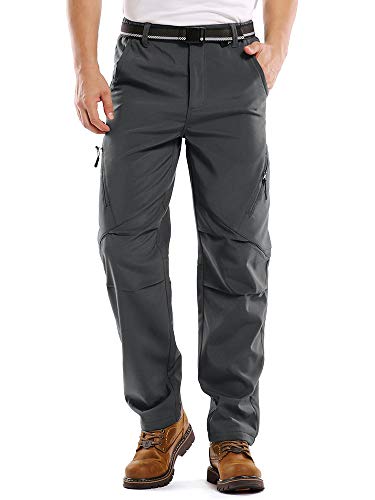 | Best for Cold Weather | Water Resistance: Waterproof coating with rain, snow, and oil repellency | Fabric Composition: 94% Nylon, 6% Spandex shell with polyester fleece lining | Insulation: Fleece-lined for warmth and moisture wicking | VIEW LATEST PRICE | Read Our Analysis |
| Eddie Bauer Mens Rainier Pant | Lightweight Performance Pick | Water Resistance: Durable water-repellent finish | Fabric Composition: 2-way stretch nylon and spandex | Insulation: Not specified | VIEW LATEST PRICE | Read Our Analysis |
More Details on Our Top Picks
Jessie Kidden Waterproof Fleece Lined Winter Hiking Pants
If you’re tackling winter outdoor excursions in harsh conditions, the Jessie Kidden pants deliver serious protection with their four-layer system: a waterproof nylon shell, fleece lining, ripstop reinforcement, and breathable polyester interior. You’ll appreciate the 3D cutting and mid-rise design that accommodate your natural movement, while articulated knees and boot-cut legs prevent cold air infiltration. The side elastic waist guarantees a secure fit without restriction. Six strategically placed pockets—four large front pockets plus two button-secured back pockets—give you ample storage for essentials. Whether you’re hiking, skiing, mountaineering, or fishing, these imported pants handle diverse winter activities. Machine washable construction makes maintenance effortless, and the included belt adds practical versatility for your outdoor explorations.
- Water Resistance:Waterproof coating with rain, snow, and oil repellency
- Fabric Composition:94% Nylon, 6% Spandex shell with polyester fleece lining
- Insulation:Fleece-lined for warmth and moisture wicking
- Stretch and Flexibility:Articulated knees with 3D cutting for mobility
- Sun Protection:Not specified
- Storage:4 large-capacity pockets plus 2 button back pockets
- Additional Feature:Ripstop fabric tear resistance
- Additional Feature:Articulated knee design flexibility
- Additional Feature:Boot fit cold prevention
Eddie Bauer Mens Rainier Pant
The Eddie Bauer Mens Rainier Pant excels for adventurers who demand both protection and mobility in unpredictable weather. You’ll appreciate the 2-way stretch nylon and spandex blend, which delivers flexibility without sacrificing durability. The durable water-repellent finish keeps you dry during sudden downpours, while integrated UPF sun protection shields you from harmful rays during extended outdoor exposure. Whether you’re tackling mountain trails or traversing rugged terrain, these pants move with you seamlessly. The lightweight construction won’t weigh you down, making them ideal for hiking and adventurous activities. You get reliable weather protection paired with genuine comfort.
- Water Resistance:Durable water-repellent finish
- Fabric Composition:2-way stretch nylon and spandex
- Insulation:Not specified
- Stretch and Flexibility:2-way stretch fabric for flexibility
- Sun Protection:UPF sun protection
- Storage:Not specified
- Additional Feature:2-way stretch nylon fabric
- Additional Feature:Durable water-repellent finish treatment
- Additional Feature:UPF sun protection included
Factors to Consider When Choosing Waterproof Trousers
When you’re shopping for waterproof trousers, you’ll want to evaluate the material quality and durability alongside the waterproof coating technology that’ll keep you dry in harsh conditions. You shouldn’t overlook breathability and moisture management, as these features prevent sweat buildup during active use, while insulation levels matter if you’re facing cold weather. Finally, you’ll find that fit and comfort features directly impact how long you can wear them without fatigue or restriction.
Material Quality And Durability
Your waterproof trousers’ longevity depends on the materials you choose. Seek out high-performance blends like nylon mixed with spandex, which deliver durability and flexibility for outdoor demands. You’ll want fabrics treated with durable water-repellent finishes that actively repel moisture and keep you dry during harsh conditions. Look for additional protective features such as abrasion and tear resistance—these enhance longevity during rugged use. Don’t overlook breathable linings like polyester fleece, which regulate moisture and temperature during physical activity, preventing discomfort. Finally, verify your trousers fit well with elastic waists and articulated knees. These design features prevent wear from friction and greatly extend your trousers’ lifespan while maintaining comfort during intense outdoor excursions.
Waterproof Coating Technology
Advanced waterproof coatings are what truly separate exceptional trousers from mediocre options. You’ll typically encounter polyurethane (PU) and fluorocarbon-based finishes, both of which excel at repelling moisture. These coatings work by creating a protective barrier on the fabric surface that prevents water from penetrating the material.
Look for trousers featuring a Durable Water Repellent (DWR) finish—this technology causes water to bead up and roll off rather than soak in. However, don’t sacrifice breathability for waterproofing; you need fabrics that allow sweat moisture to escape, preventing uncomfortable dampness from inside.
Keep in mind that waterproof effectiveness diminishes with time and washing. You’ll need periodic re-treatment to maintain peak performance, so choose trousers designed for easy maintenance and longevity.
Breathability And Moisture Management
While a waterproof barrier keeps rain out, you’ll also need fabric that lets sweat escape—otherwise you’re trading external moisture for internal dampness. Look for trousers with laminated membranes that balance waterproofing and ventilation effectively.
Check the RET (Resistance to Evaporative Heat Transfer) rating; lower values mean better breathability. Materials combining moisture-wicking layers with waterproof barriers manage sweat efficiently, keeping you comfortable during intense activity.
Design matters too. Articulated cuts and strategically placed vents enhance airflow without compromising protection. These features become essential during high-intensity outdoor pursuits where condensation buildup can undermine your gear’s performance.
When evaluating options, prioritize trousers that integrate all these elements—breathable fabrics, smart construction, and proper ventilation—to stay genuinely dry in varying conditions.
Insulation For Cold Weather
When temperatures drop, insulation becomes your first line of defense against heat loss. You’ll want to prioritize trousers with effective insulating materials like fleece lining, which traps warmth while wicking away sweat simultaneously.
The best cold-weather options combine a waterproof outer shell with an insulating inner layer, creating dual protection against windchill and precipitation. This layering system shields you from external elements while maintaining your body temperature.
Look for high-performance insulation that breathes—this allows excess moisture from perspiration to escape without sacrificing warmth. You shouldn’t sacrifice comfort for protection.
When selecting your trousers, evaluate the insulation thickness carefully. Thicker insulation suits colder climates, while thinner options work for milder conditions. Match the insulation level to your expected outdoor temperatures, and you’ll stay comfortable and protected throughout your excursions.
Fit And Comfort Features
Finding the right fit is essential because poorly fitting trousers won’t protect you effectively, no matter how waterproof they are. You’ll want to prioritize mid to high rise designs that shield your lower back and abdomen from cold air exposure. An elastic waistband gives you the flexibility to adjust the fit comfortably throughout the day, accommodating different body types and layering needs.
Look for 3D cutting and articulated knees, which enhance your mobility during outdoor activities. These features allow you to move naturally without restriction, whether you’re hiking, climbing, or traversing challenging terrain. Combined with secure storage solutions like large-capacity pockets, you’ll keep essentials accessible while maintaining comfort and functionality during your excursions.
Pocket Storage Capacity
Beyond the fit itself, what you carry matters just as much as how the trousers fit your body. You’ll want to evaluate pocket placement carefully—higher or angled pockets give you easier access when you’re wearing a backpack or sitting down. Look for large-capacity pockets that securely hold maps, snacks, and tools without creating bulk. Specialized pockets with zippers or buttons provide extra security for belongings during wet conditions. Don’t overlook water-resistant pocket design, which keeps your essentials dry even when rain soaks the exterior. Consider how many pockets you actually need for your typical outdoor activities. The right pocket configuration changes your waterproof trousers from functional gear into genuinely practical exploration wear.
Versatility Across Activities
Most outdoor enthusiasts don’t own separate trousers for each activity—you’ll want a pair that performs equally well on hiking trails, ski slopes, and bike commutes. Versatile waterproof trousers maximize your investment by adapting to multiple pursuits without compromising functionality.
Look for designs incorporating articulated knees, which improve mobility whether you’re climbing steep terrain or pedaling uphill. A boot-fit design accommodates various footwear, from hiking boots to ski boots, ensuring consistent comfort across activities.
Select materials combining waterproofing, insulation, and breathability. This trio keeps you dry during rainstorms, warm in cold conditions, and comfortable during high-exertion activities where you’d otherwise overheat.
You’ll appreciate adjustable features like elastic waistbands that secure the fit during active movements, whether you’re descending mountains or maneuvering urban cycling routes.
Care And Maintenance Requirements
Since waterproof trousers represent a considerable investment, you’ll want to understand their care demands before purchasing. Look for machine-washable options that simplify maintenance while preserving waterproof qualities. Always follow specific care instructions regarding washing temperatures and detergents, as incorrect methods can damage the coating.
Avoid fabric softeners—they interfere with the waterproof membrane’s performance. Instead, periodically reapply water-repellent finishes to enhance durability and functionality. Inspect your trousers regularly for abrasion or damage that could compromise moisture protection.
These maintenance practices aren’t complicated, but they’re crucial. By committing to proper care routines, you’ll extend your trousers’ lifespan considerably and guarantee they continue providing reliable waterproof protection through years of outdoor use.
Frequently Asked Questions
How Long Do Waterproof Trousers Typically Last Before Needing Replacement?
You can typically expect your waterproof trousers to last between three to five years with regular use. However, you’ll extend their lifespan by properly maintaining them—washing gently, air-drying, and avoiding harsh chemicals. You’ll notice they’re wearing out when you see seam leakage, fabric tears, or decreased water resistance. If you’re wearing them frequently in extreme conditions, you’ll need replacements sooner. Quality brands last longer, so you’ll get better value investing in durable options upfront.
Can Waterproof Trousers Be Machine Washed Without Damaging the Coating?
You can machine wash most waterproof trousers, but you’ll need to follow specific guidelines to protect the coating. Use cold water, gentle cycles, and mild detergent—avoid fabric softeners and bleach. You shouldn’t exceed 30°C temperatures. Always check your trousers’ care label first, as some premium coatings require hand washing instead. Air drying is essential; you’ll damage the waterproof layer with high heat from dryers.
What’s the Difference Between Waterproof and Water-Resistant Trousers for Hiking?
You’ll find that waterproof trousers completely block water penetration, keeping you dry in heavy downpours and prolonged rain. Water-resistant trousers, however, repel moisture temporarily but’ll eventually saturate if you’re exposed long enough. For serious hiking, you’ll want waterproof options since they’re built with sealed seams and specialized coatings. Water-resistant works fine for light drizzle or quick outings, but you’ll appreciate waterproof’s superior protection during challenging weather conditions.
Are Waterproof Trousers Suitable for Hot, Humid Climates?
You’ll find traditional waterproof trousers challenging in hot, humid conditions because they trap moisture and heat against your skin, making you feel uncomfortable and clammy. However, you can choose modern ventilated waterproof options with breathable membranes that allow sweat to escape while blocking rain. You’ll want to look for lightweight, packable styles with mesh linings and pit-zip vents. These innovations help you stay dry from rain without overheating in tropical or sticky weather.
How Much Should I Expect to Spend on Quality Waterproof Trousers?
You should expect to spend between $100 and $300 on quality waterproof trousers. Entry-level options start around $80-$120, while mid-range trousers with better breathability and durability typically cost $150-$250. Premium brands offering advanced waterproofing technology, superior comfort, and longevity run $250-$400 or higher. You’ll get better sealing, fabric quality, and features when you invest more, so consider your specific needs and usage frequency before deciding how much you’re willing to spend.

Leave a Reply